

Parijat Plant
Choose Variant


Specification
Product Description
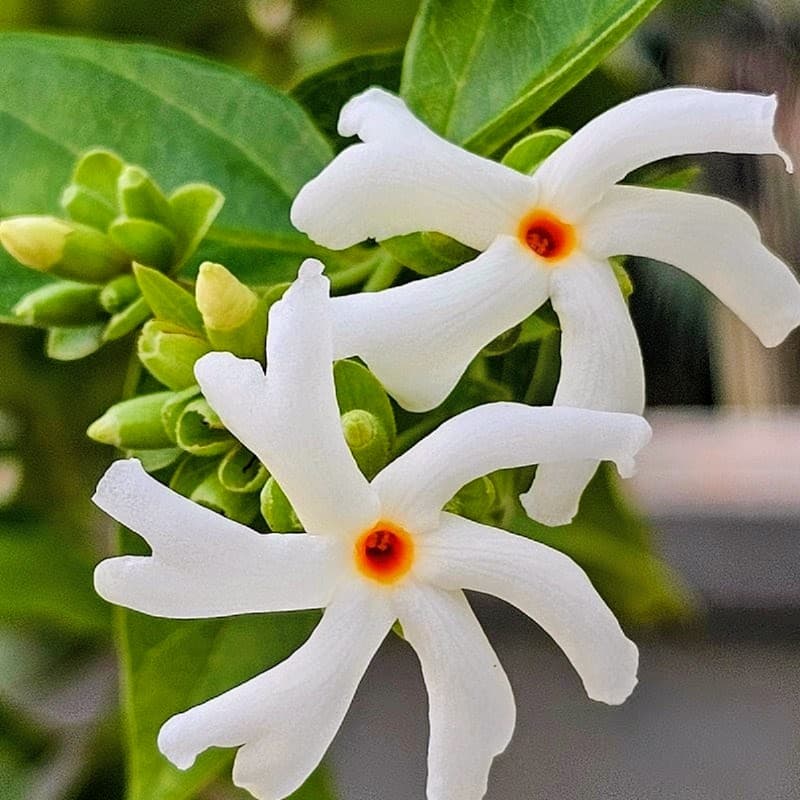
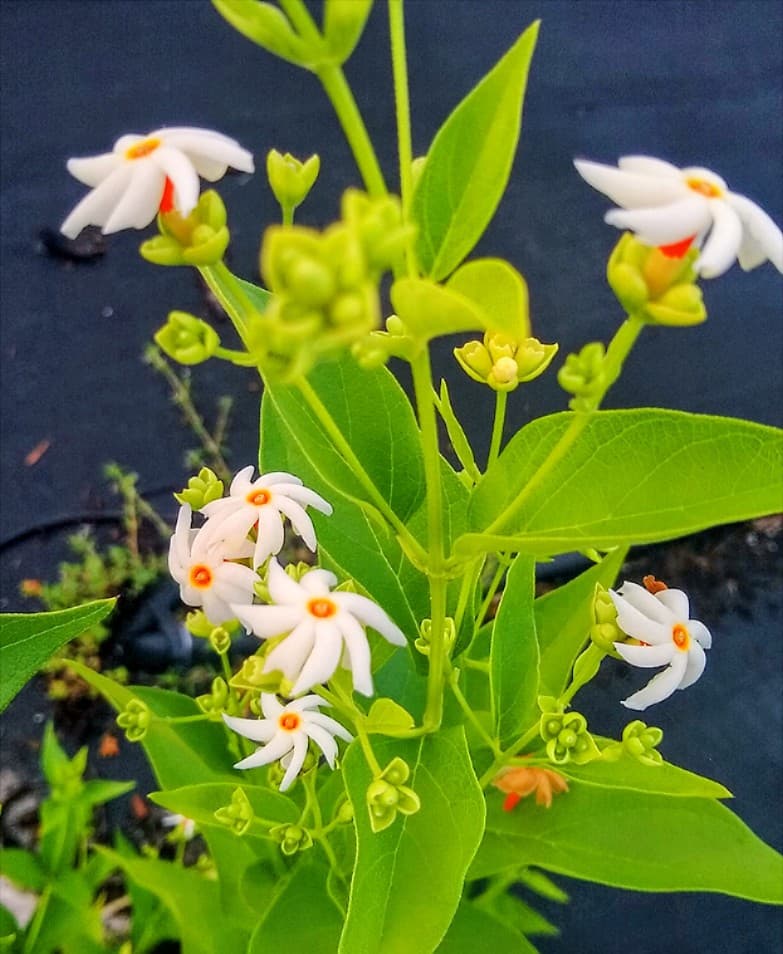
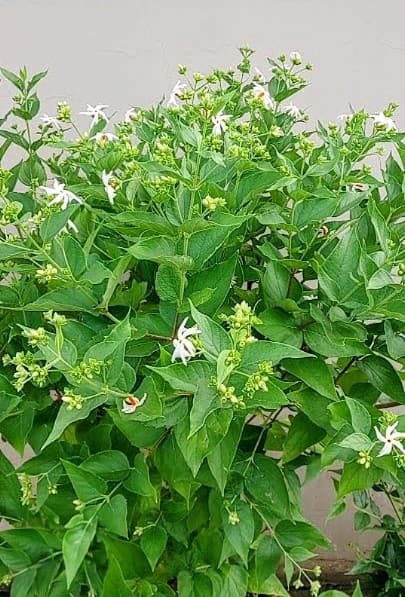
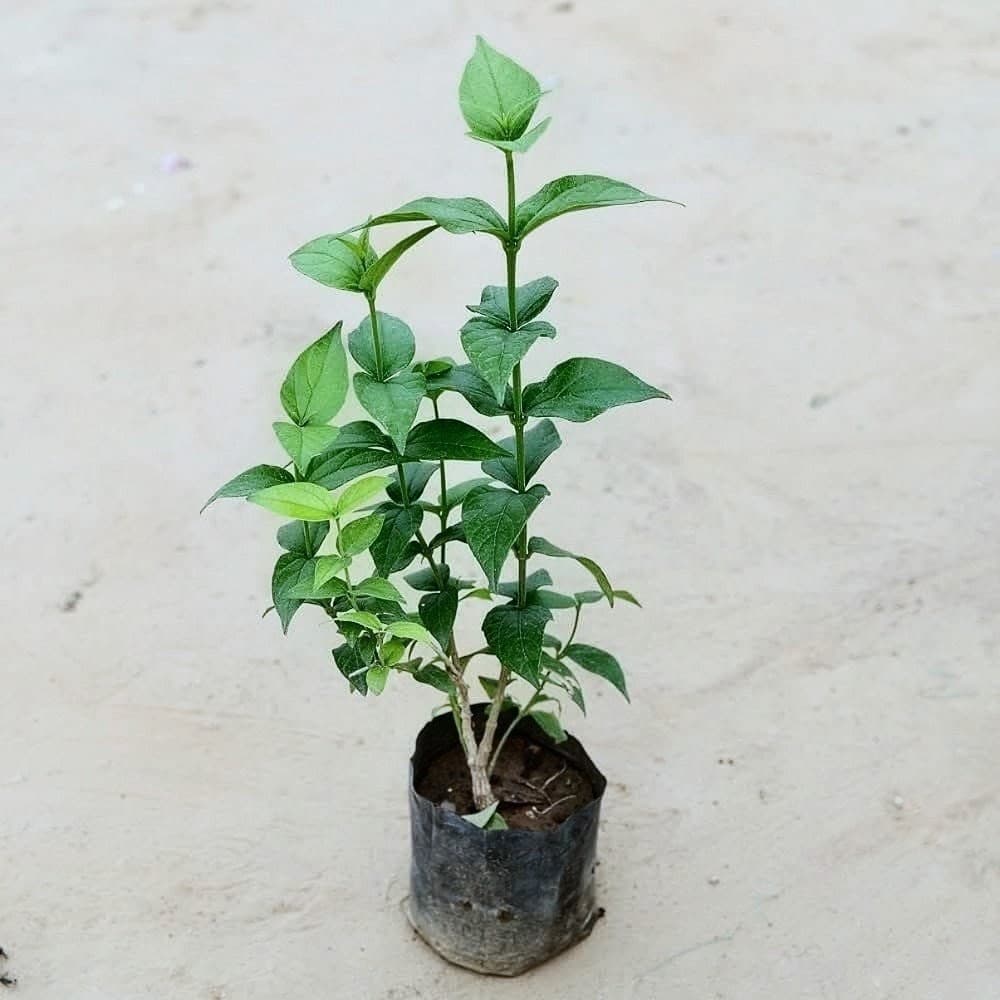
The Parijat plant (Nyctanthes arbor-tristis), commonly known as Harsingar or Night-Flowering Jasmine, is a sacred and heavily fragrant shrub famous for its white, star-shaped blossoms with vibrant orange-red stems.
KEY PLANT OVERVIEW
BOTANICAL NAME: Nyctanthes arbor-tristis
FAMILY: OLEACEAE
COMMON NAMES: Harsingar, Coral Jasmine, Shiuli (State flower of West Bengal),Shefali.
FLOWER CHARACTERISTICS: Blooms exclusively at night, emitting a powerful, sweet fragrance, and sheds its petals by morning to form a natural carpet of white and orange under the tree.
BLOOMING SEASON: Typically from August to December (autumn into early winter).
CARE AND MAINTENANCE
SUNLIGHT: Requires about 4 to 6 hours of bright, direct sunlight or partial shade daily for optimal flowering.
WATERING: Moderate watering is essential. Allow the topsoil to dry out slightly between waterings; avoid water-logging to prevent root rot.
SOIL: Prefers loose, nutrient-rich, and well-draining sandy or loamy soil mixed with organic compost.
FERTILIZER: Feed with organic manure or vermicompost once a month during the active growing and flowering season.
USES AND SIGNIFICANCE
CULTURAL & RELIGIOUS: Highly revered in Hindu mythology (originating from Samudra Manthan and brought down by Lord Krishna), the flowers are frequently used in temple offerings and prayers.
MEDICINAL (Ayurveda): Leaves and bark are widely used in traditional remedies to help manage joint pain, arthritis, and fevers due to their strong anti-inflammatory properties.
VASTU: Placed ideally in the North or East corners of a home garden to invite positive energy and tranquility.