

Olive Plant
Choose Variant


Specification
Product Description
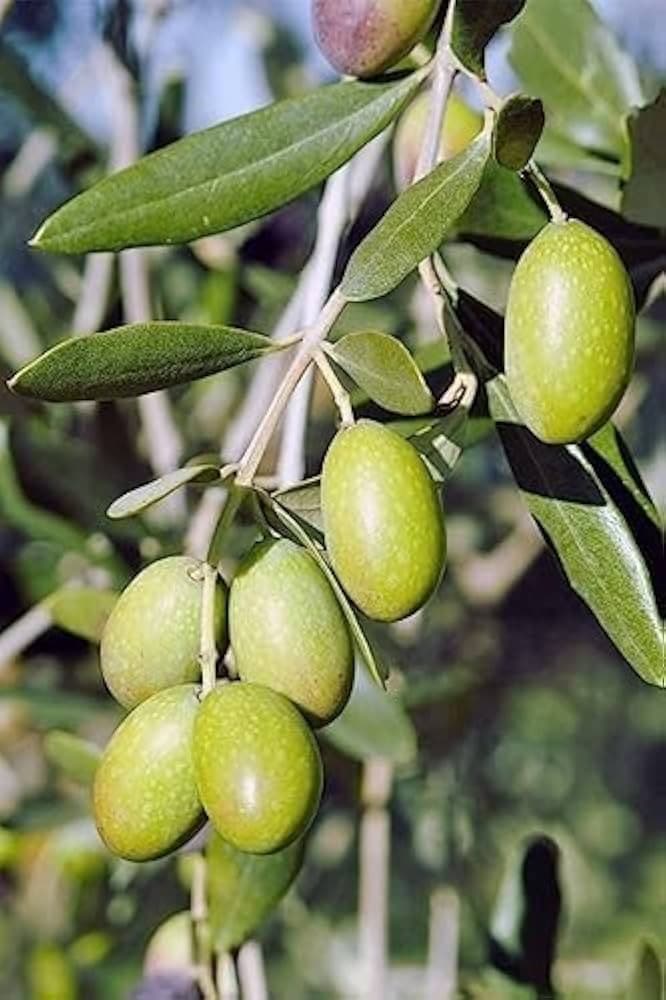
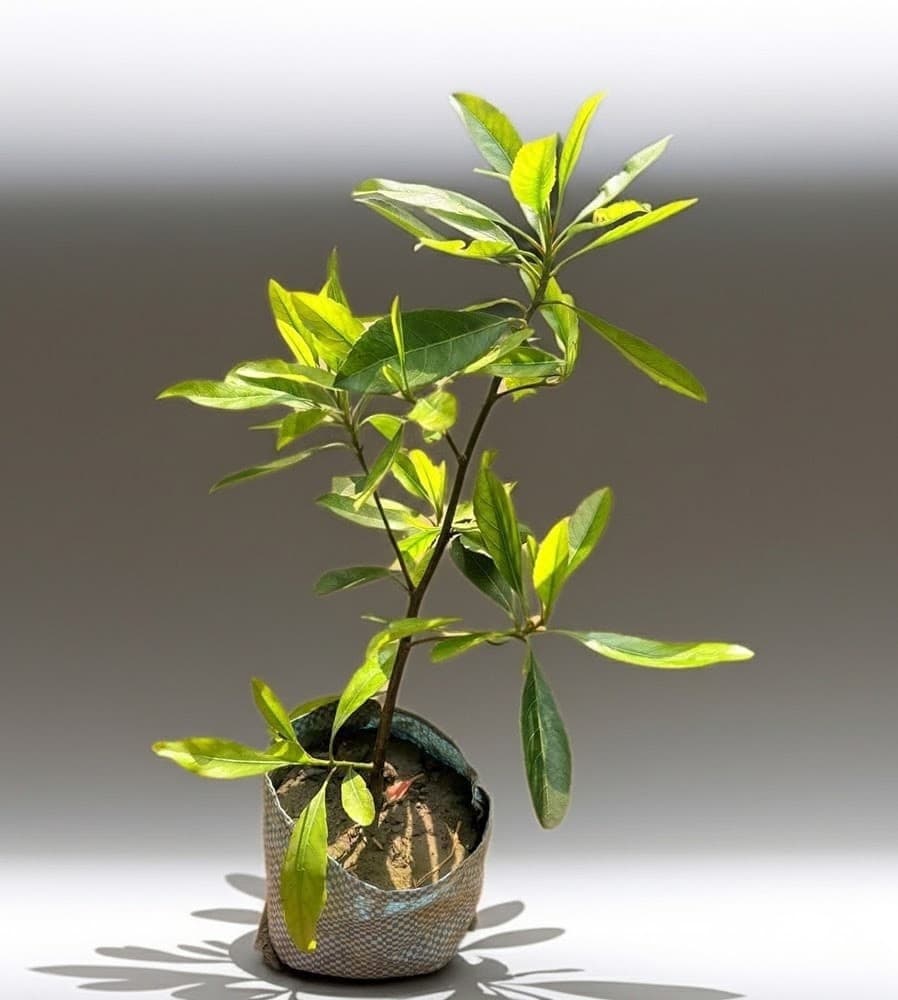
The olive plant (Olea europaea) is a subtropical, broad-leaved evergreen tree native to the Mediterranean region that is globally prized for its edible fruits, high-quality oil, and ornamental beauty.
BOTANICAL PROFILE
SCIENTIFIC Classification: Belongs to the family Oleaceae, making it a distant relative of jasmine and lilacs.Physical Structure: Ranges from 3 to 12 metres (10 to 40 feet) tall with a thick, rough, and famously gnarled trunk as it ages.
FOLIAGE: Features leathery, lance-shaped leaves that are dark green on top and striking silvery-white underneath.
FLOWERS: Small, fragrant, yellowish-white flowers grow in clusters during late spring and are primarily wind-pollinated.
FRUIT TYPE: Botanically classified as a drupe (a fleshy fruit surrounding a hard central pit or stone).
THE FRUIT & PROCESSING
COLOR MATURATION: Olives start out green and gradually mature into a deep purple or black stage.
EXTREME BITTERNESS: Fresh, unprocessed olives are completely inedible due to a bitter compound called oleuropein.
CURING PROCESS: The bitterness must be leached out using natural brines, salt curing, or dilute alkali (lye) solutions before eating.
OIL PRODUCTION: Olives reach their maximum oil content (20–30% of fresh weight) roughly 6 to 8 months after blooming, at which point they are harvested for pressing.