
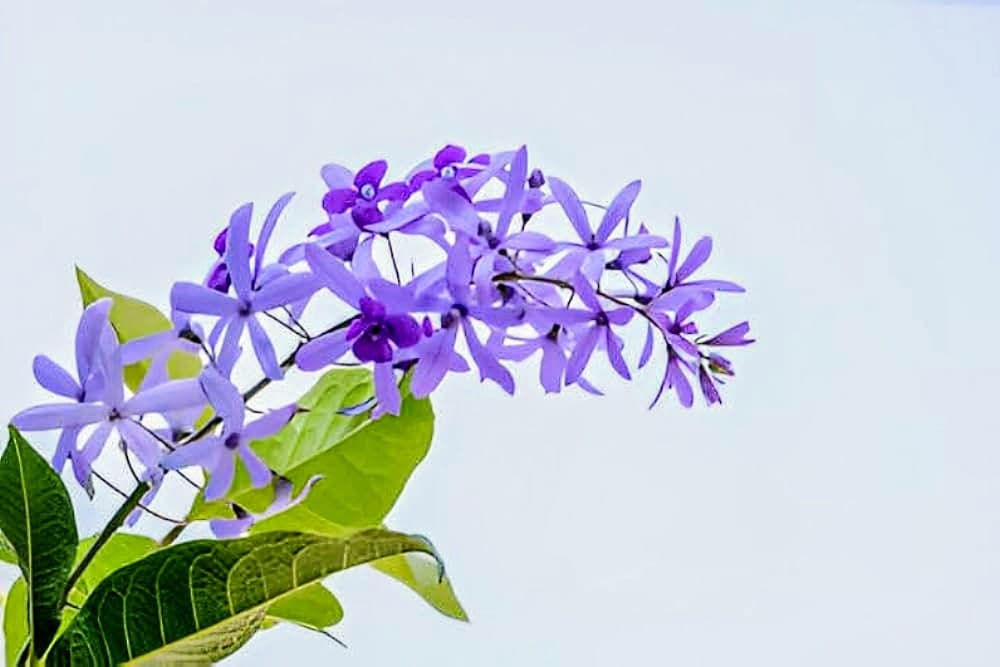
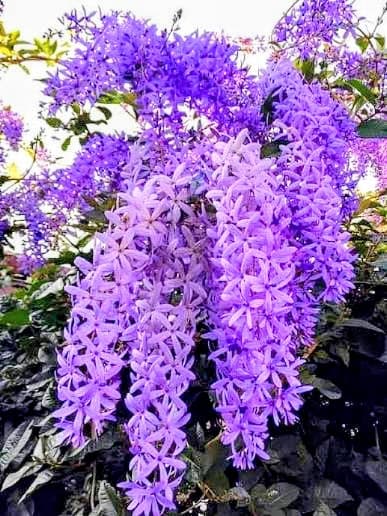
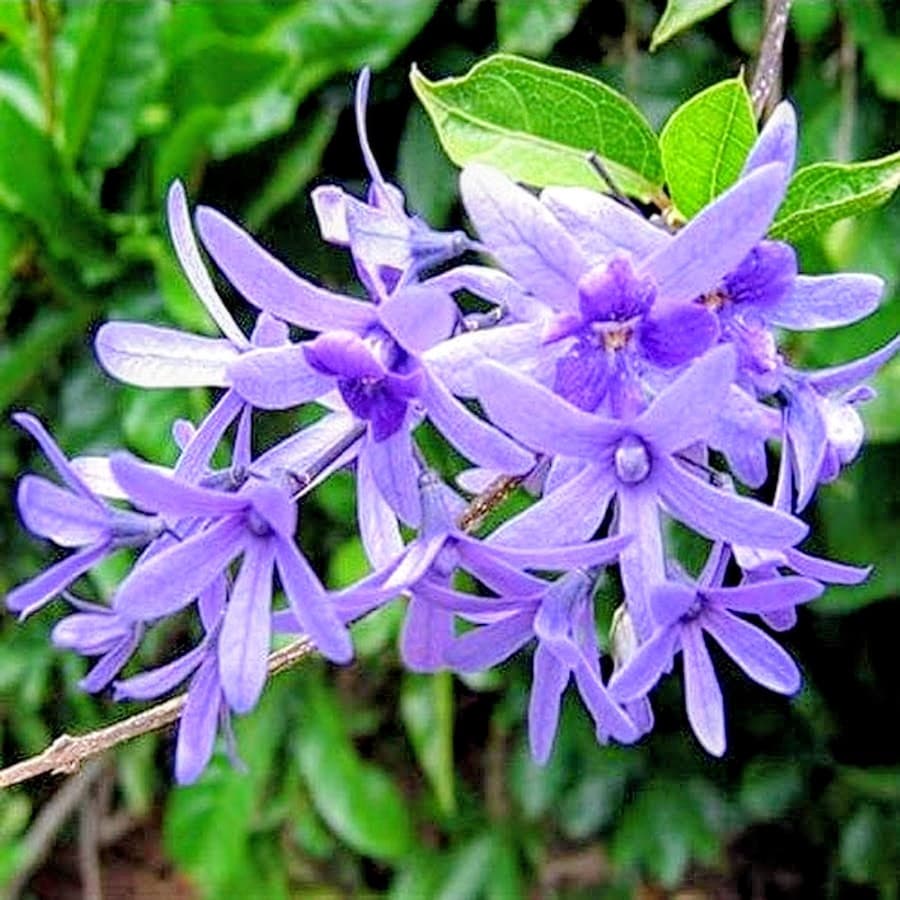


Nilmoni Lota Flower Plant
Choose Variant


Specification
Product Description
The Nilmoni Lota plant, scientifically known as Petrea volubilis and popularly called the Sandpaper Vine or Purple Wreath, is a vigorous, woody climbing vine celebrated for its long, cascading clusters of star-shaped violet-purple flowers.
KEY PLANT OVERVIEW
BOTANICAL NAME: Petrea volubilis
COMMON NAMES: Nilmoni Lota, Sandpaper Vine, Purple Wreath, Queen's Wreath, Bluebird Vine
PLANT TYPE: Perennial climbing/twining vine (creeper)Flower
COLOR: Pale blue to deep violet-purple
FOLIAGE FEATURE: Deep green leaves with a rough, distinctive sandpaper-like texture
NATIVE REGION: Central and South America; widely adapted to tropical and warm Indian climates
BLOOMING SEASON: Heavily blooms during warm months (typically from spring through summer, with secondary flushing around autumn or November to June depending on regional care).
CARE AND MAINTENANCE REQUIREMENTS
SUNLIGHT: Loves full sun to partial shade. It requires about 5 to 7 hours of direct sunlight daily for optimal, vibrant flowering.
SOIL: Requires well-draining soil. An ideal mix includes garden soil, organic compost, and sand or coco peat to prevent root rot from waterlogging.
WATERING: Needs moderate watering. Allow the top inch of soil to dry out completely between watering sessions; reduce watering frequency during winter.
PRUNING: Regular pruning right after the main blooming cycle encourages bushier shape and promotes heavier flower yields in the subsequent season.