

Bok Phool Plant (White)
Choose Variant


Specification
Product Description
The bokful plant (Sesbania grandiflora), also known as the vegetable hummingbird or agastya tree, is a fast-growing, soft-wooded small tree prized for its edible flowers and traditional uses.
KEY PLANT CHARACTERISTICS
SCIENTIFIC NAME: Sesbania grandiflora (family Fabaceae).
COMMON NAMES: Bokful, Bok Phool, Vegetable Hummingbird, Agati, Agastya, Katurai.
HEIGHT: Grows rapidly up to 6 to 9 meters (20 to 30 feet) tall in ideal conditions.
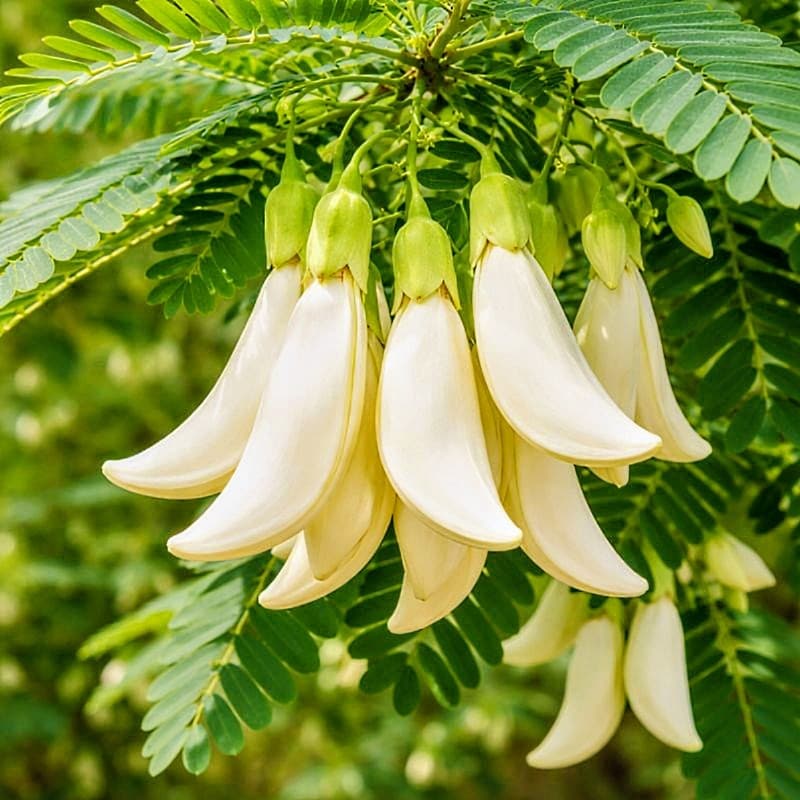
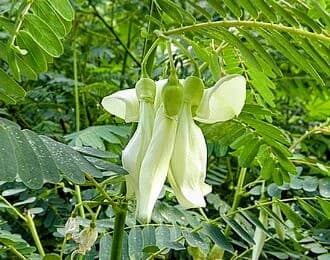
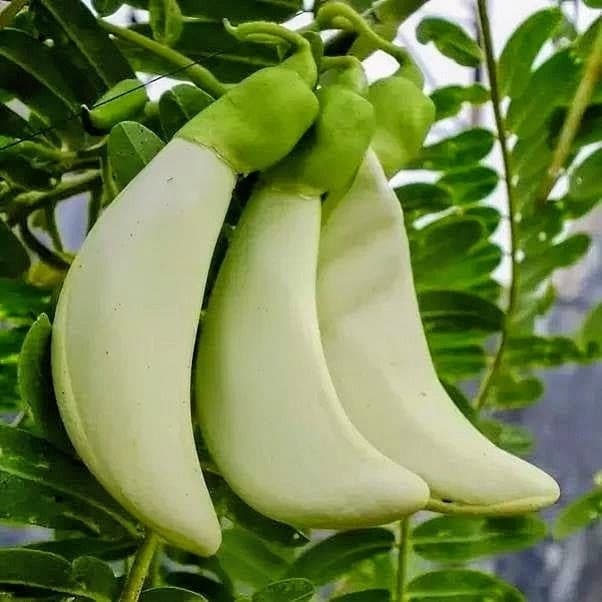
FLOWERS: Large, pendant, bell-shaped flowers that appear in white or shades of red/pink.
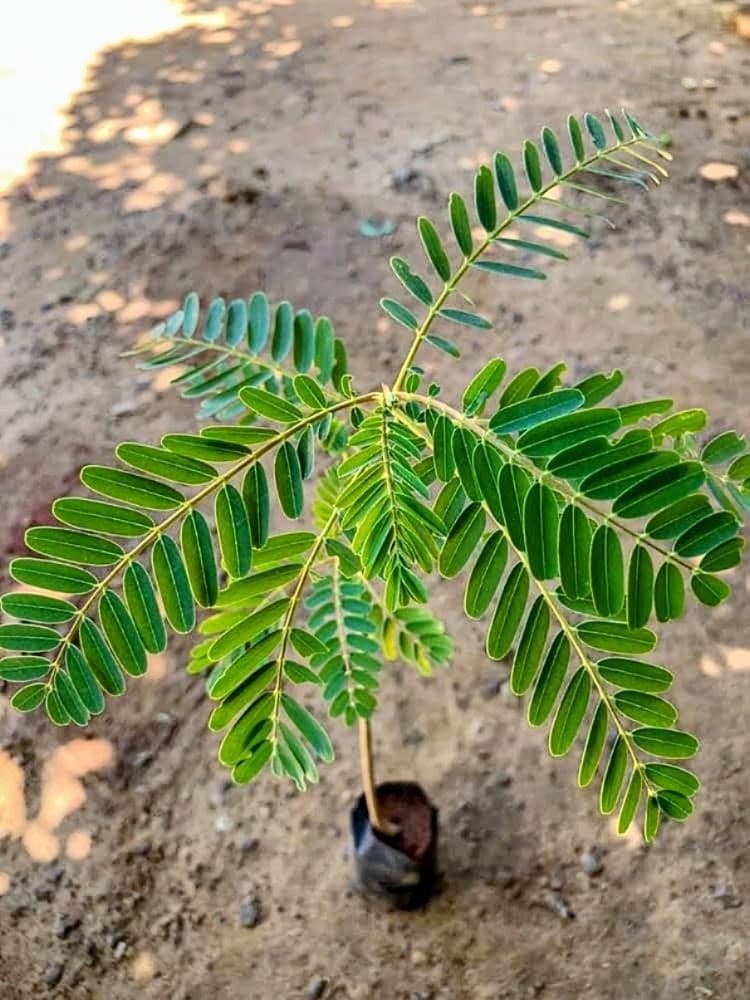
FOLIAGE: Delicate, feathery, pale green compound leaves.
CULINARY USES
BOK PHOOL: The large petals are a seasonal delicacy in Bengali, Assamese, and South Indian households.
PREPARATION: Most commonly dipped in a spiced rice-flour batter and deep-fried as crispy bokful bhaja or pakoras, or added to light regional curries.
NUTRITION: The flowers are rich in vitamins, minerals, and dietary fiber.
MEDICINAL PROPERTIES
AYURVEDIC VALUE: Various parts of the tree—including the leaves, bark, and flowers—are used in traditional medicine to support immunity and digestive health.
REMEDIES: Leaf and flower juices are traditionally utilized for temporary relief from local inflammation, fevers, and catarrh.
GROWING AND CARE REQUIREMENTS
SUNLIGHT: Thrives best in full, direct sunlight.
SOIL: Prefers loose, fertile, and well-drained loamy soil.
WATERING: Needs moderate watering; allow the topsoil to dry slightly between waterings once established.
CLIMATE: Prefers warm, tropical, or subtropical humid weather.
ECOLOGICAL BENEFIT: The nectar-rich blossoms attract bees, butterflies, and nectar-feeding birds, making it a great addition to biodiversity or kitchen gardens.