

Blue Hibiscus (Nil Jaba) Plant
Choose Variant


Specification
Product Description
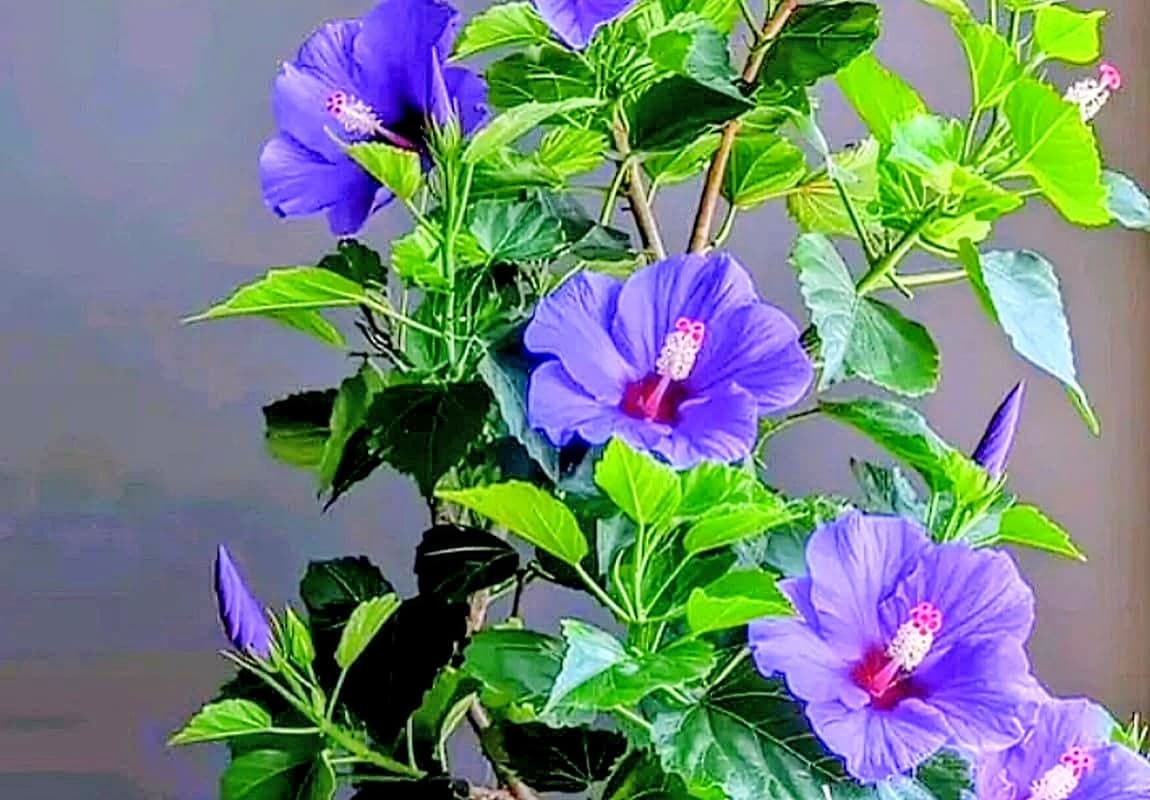
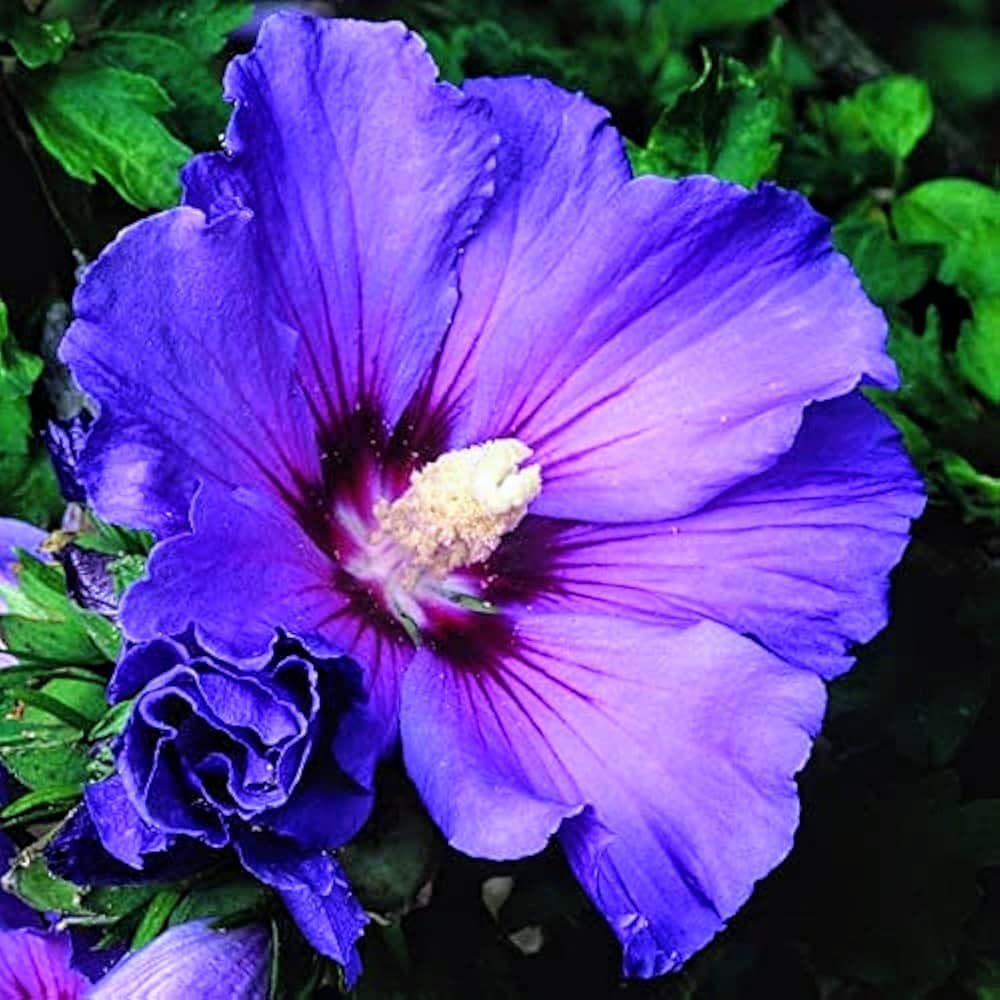
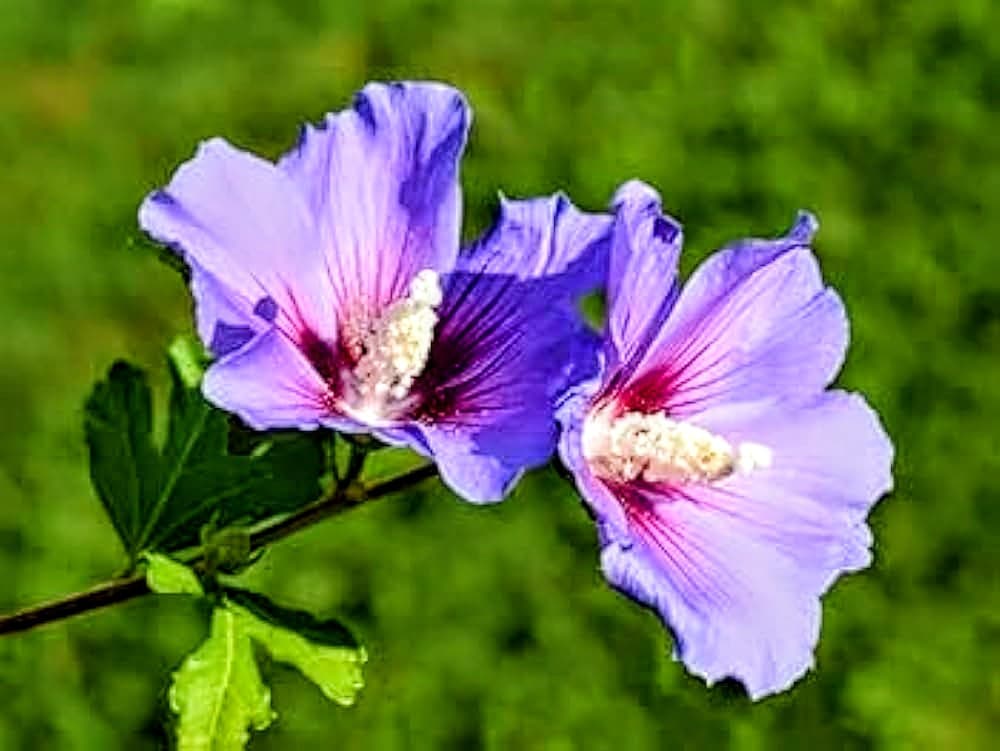
Nil Jaba (also known as the Blue Hibiscus or Neela Gudhal) is a rare and striking ornamental flowering shrub prized for its unusual blue-to-purple blossoms.
PLANT OVERVIEW
COMMON NAMES: Nil Jaba, Blue Hibiscus, Neela Gudhal, Blue Joba.
BOTANICAL/COMMON VARIETY: Often associated with Alyogyne huegelii or exotic grafted hibiscus varieties.
FLOWER APPEARANCE: Large, trumpet-shaped blooms, roughly 4 inches across, in shades of blue, violet, or purple. Each individual flower lasts about 2 to 3 days.
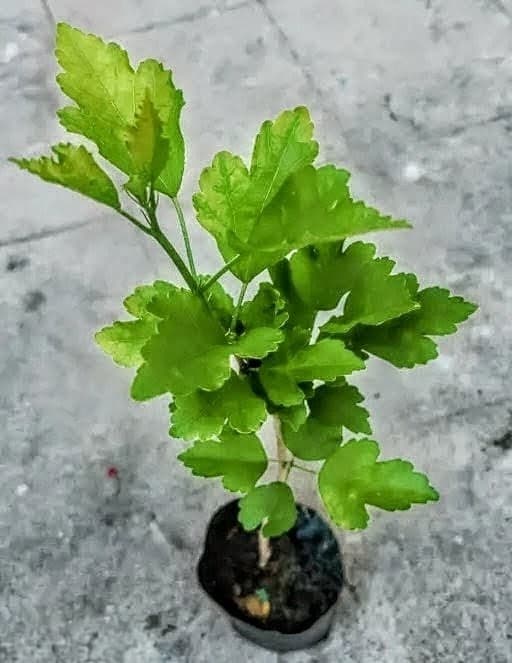
FOLIAGE: Bright green, lobed leaves on an evergreen, fast-growing upright shrub.
SIZE: Can reach a mature height of 6 to 10 feet, but stays manageable when grown in containers.
SOIL: Requires a fertile, well-draining sandy or loamy soil mixture enriched with organic compost or vermicompost.
WATERING: Keep the soil evenly moist during growing seasons. Allow the top layer of soil to dry slightly between watering cycles. Avoid waterlogging or stagnation, especially during heavy monsoon rains.
MAINTENANCE: Low-maintenance and drought-tolerant once established. Occasional pruning helps maintain a bushy shape and encourages more blooms.
USES AND BENEFITS
DECORATION: Ideal for home gardens, balconies, terraces, patios, and outdoor landscaping.
POLLINATOR FRIENDLY: The colorful blooms naturally attract bees, butterflies, and beneficial pollinators to your garden ecosystem.