

Amrapali Mango Plant
Choose Variant


Specification
Product Description
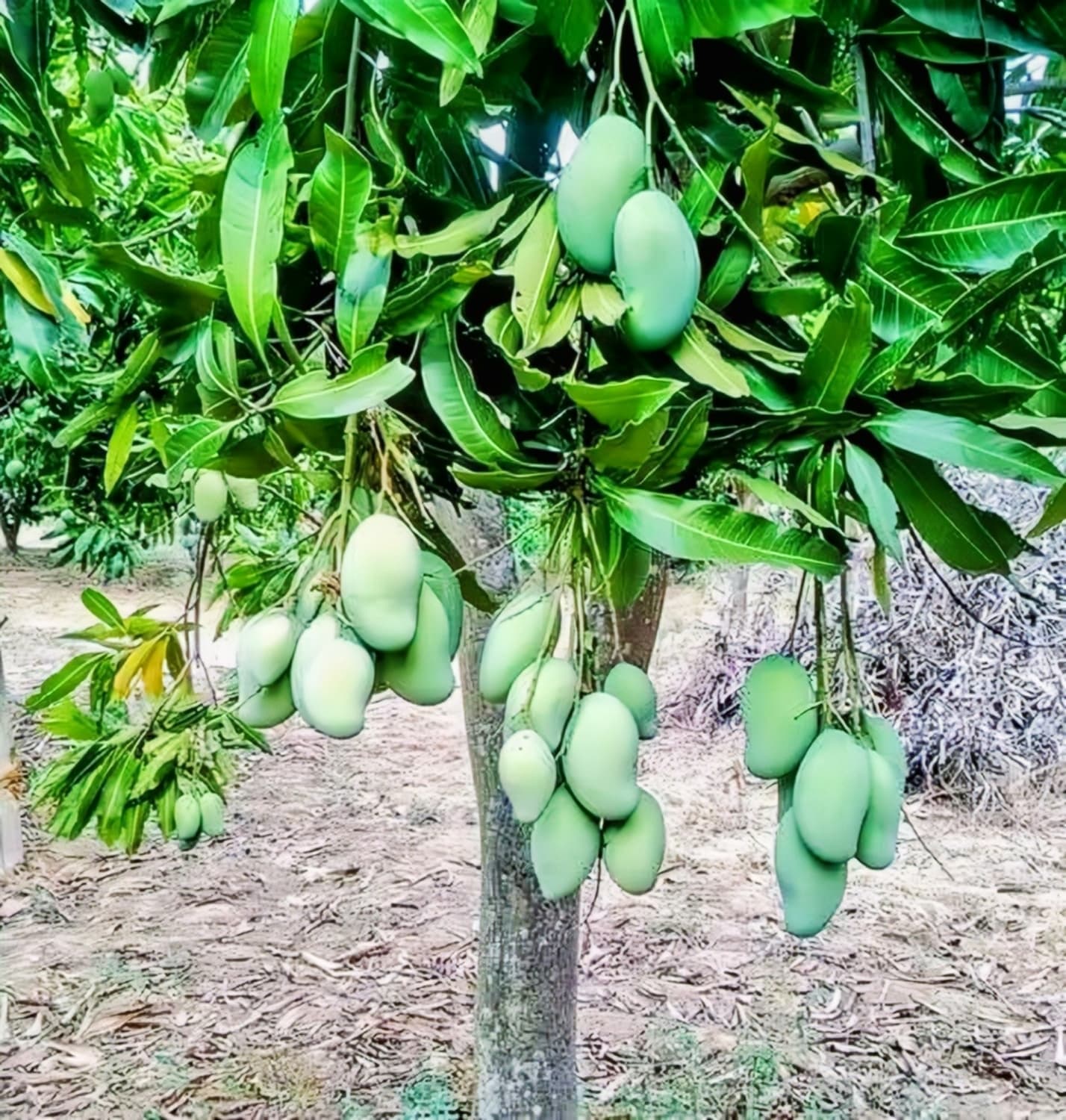
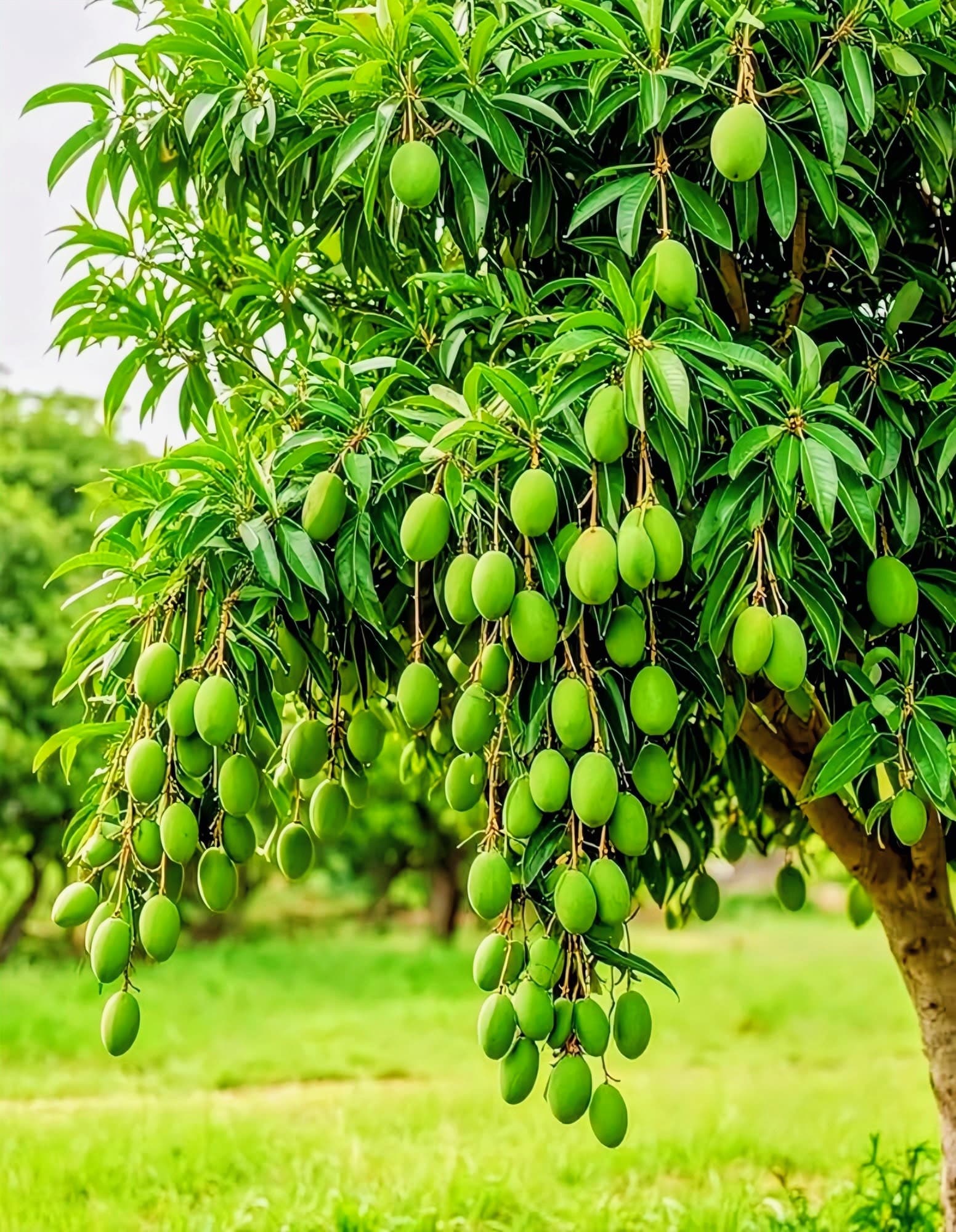
The Amrapali mango plant is a highly popular, high-yielding hybrid mango variety developed in 1971 by Dr. Pijush Kanti Majumdar at the Indian Agricultural Research Institute (IARI) in Delhi. It is a crossbreed of the famous Dasheri and Neelum mango cultivars. Because of its compact size, it has become a favorite for both high-density commercial farming and home gardening.
KEY BOTANICAL & GROWTH PROFILE . .
Dwarf Growth Habit: Unlike traditional sprawling mango trees, the Amrapali is a natural dwarf tree with a compact, dense canopy. It typically reaches an ultimate height of 10 to 15 feet when planted in the ground, making it exceptionally easy to manage.
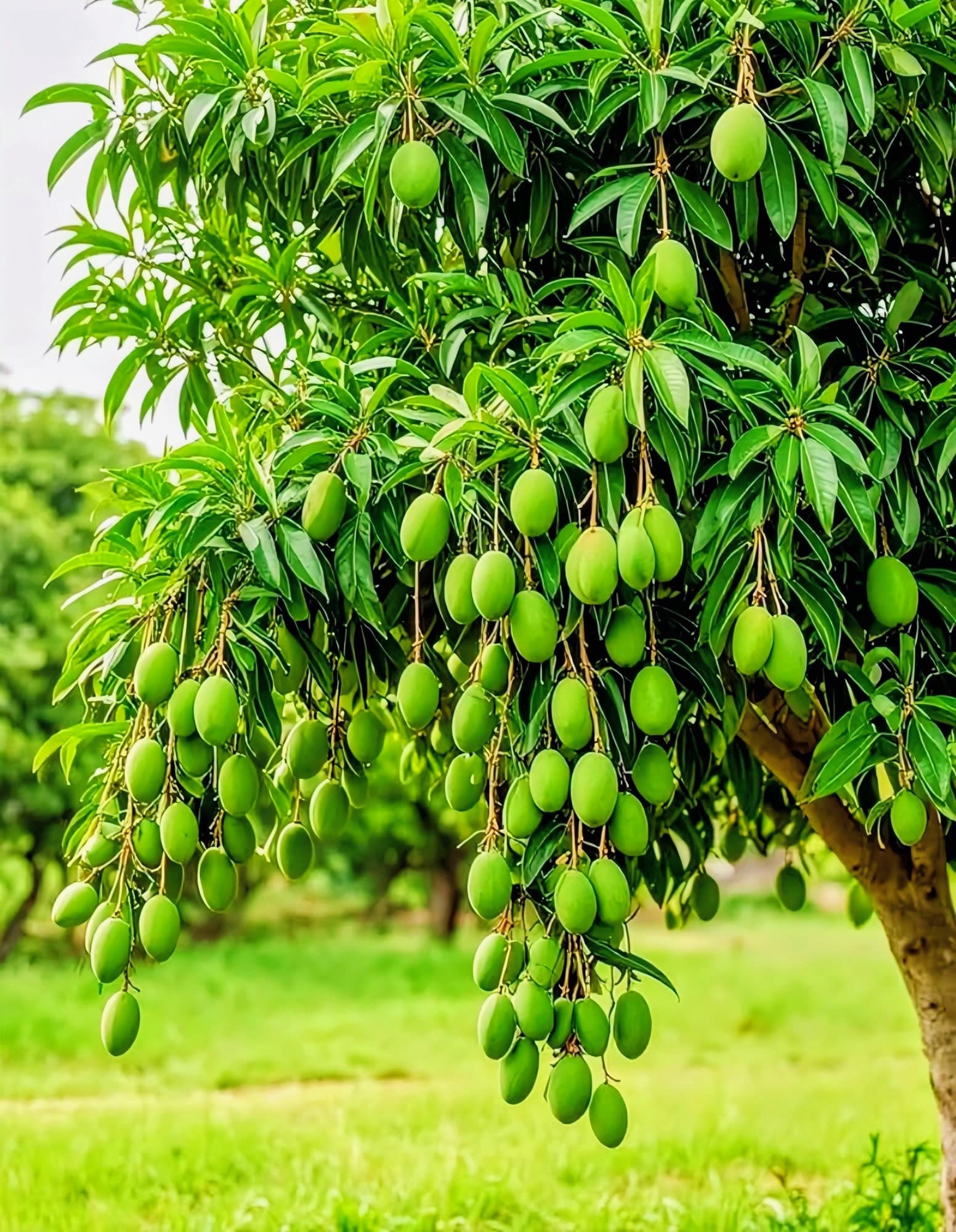
Regular Bearer: Traditional mango varieties often yield heavily only every alternate year. Amrapali is a "regular bearer," meaning it produces a consistent crop every single year.
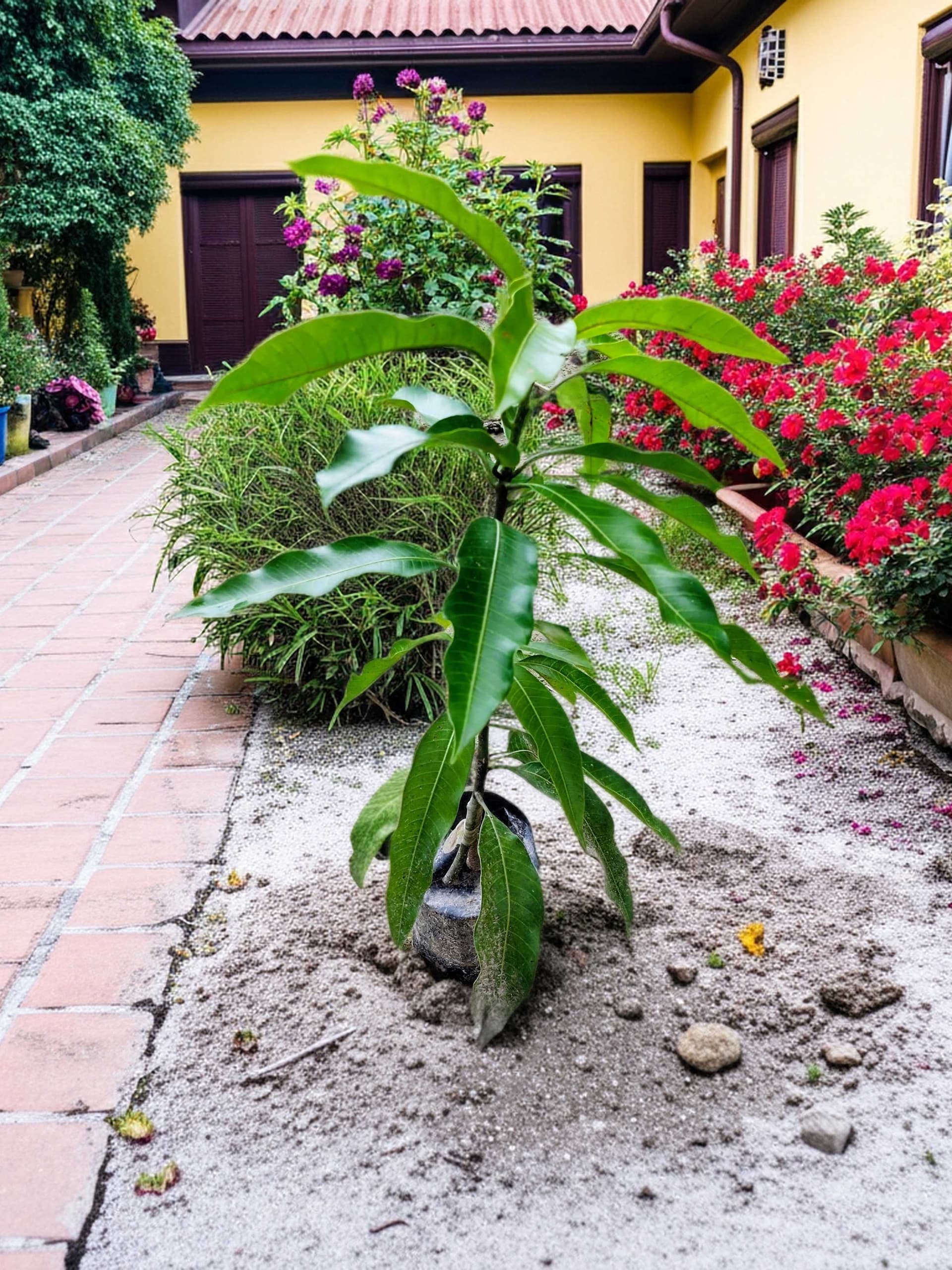
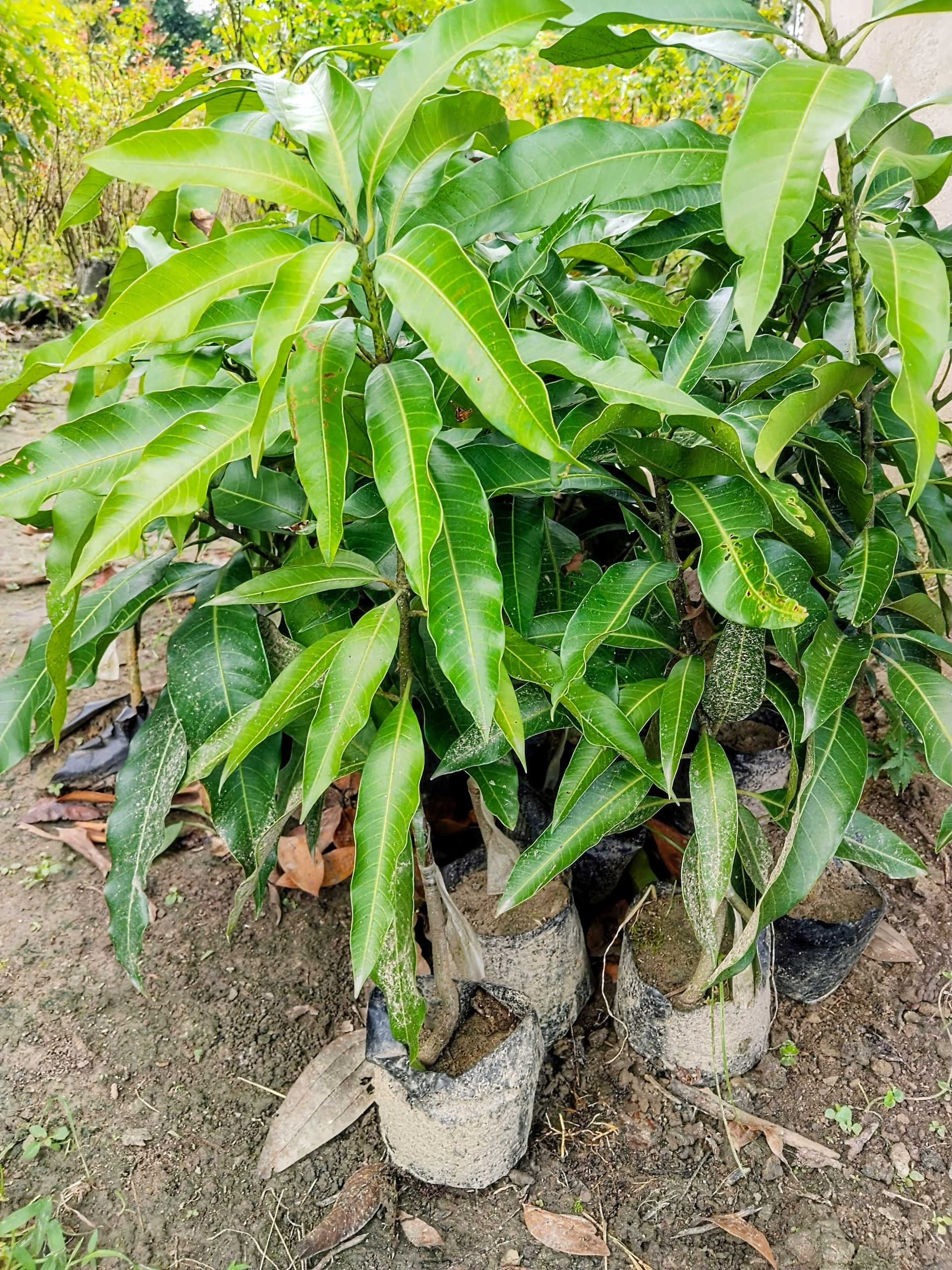
Precocious Fruiting: Grafted live Amrapali plants are quick to mature, usually beginning to flower and bear fruit within 2 to 3 years of planting.
High Density Yield: Due to its small stature, farmers can plant up to four times more trees per hectare compared to standard varieties, achieving high average yields of roughly 16 tonnes per hectare.
. . FRUIT CHARACTERISTICS . .
Appearance & Weight: The fruits are small-to-medium sized, generally weighing between 150 to 280 grams. The skin often retains a greenish-yellow tinge even when the fruit is fully ripe.
Flesh & Texture: The internal pulp is a deep orange-red color. It is prized for being incredibly juicy and completely fiberless, giving it a smooth, melt-in-the-mouth texture.Flavor Profile: Highly aromatic with a rich, intense sweetness balanced by a very mild, pleasant tang.
Nutritional Value: It stands out for having 2.5 to 3.0 times more β-carotene (Vitamin A) than most other commercial Indian mango varieties.
Shelf Life: A late-season ripening variety (typically maturing around late June to mid-July), it has a relatively short shelf life once harvested.
. . CARE & CULTIVATION REQUIREMENTS . .
Sunlight: Thrives best in outdoor locations receiving 6 to 8 hours of full, direct sunlight daily.
Climate: Well-suited for tropical and subtropical regions; it handles summer heat exceptionally well.
Soil & Water: Prefers rich, organic, well-draining soil with a pH level between 5.5 and 7.5. Water moderately—keep the soil moist but never waterlogged to avoid root rot.
Versatility: Because it scales beautifully with minimal upkeep, you can easily grow an Amrapali plant in large clay pots or grow bags on spacious balconies, terraces, or backyard patios.